


news
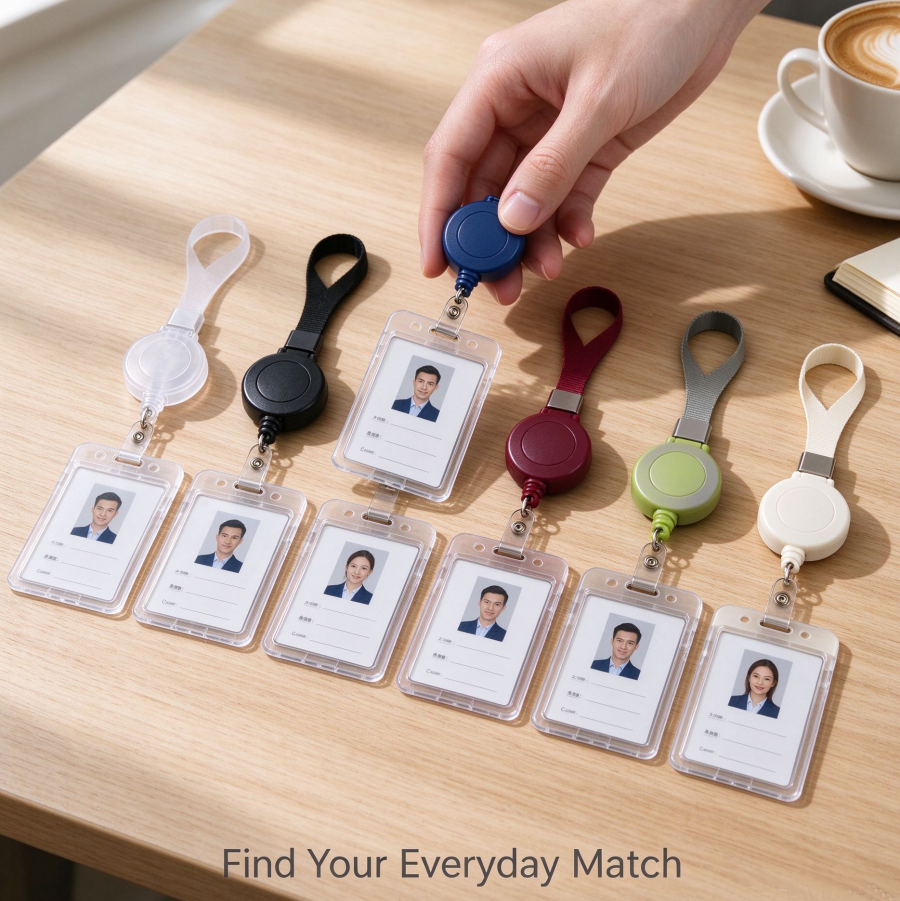
Plastic Badge Reel Guide: How to Choose the Right One for Work
A plastic badge reel looks like a simple tool, but the wrong one can make every shift harder. You may deal with a cord that will not retract, a clip that slides off your waistband, or a badge that drops at the worst possible moment. Picture this: you are walking into a secured unit with your hands full, and your badge will not reach the reader. That moment is usually the result of a small feature mismatch, not bad luck. The good news is that a plastic badge reel is often the smartest balance of price, weight, and daily function—if you know what to check before you buy. That is because the material matches the job: indoor use, repeated scanning, and long shifts where every ounce matters.
This guide walks through how a plastic badge reel works, how it compares with metal badge reels, which features matter most, and how to avoid common failures. Use the 60-second checklist at the end before your next order or replacement.
Key Takeaways:
- Plastic badge reels are lighter and usually more affordable than metal, but they fit indoor and moderate-use environments best.
- The right reel depends on badge weight, cord length, clip style, badge connection type, and your work environment.
- Most plastic badge reel failures involve the cord, clip, or spring—and many can be avoided with simple habits.
- For healthcare, office, school, and light-duty work, a well-chosen plastic retractable badge holder usually gets the job done.
What Is a Plastic Badge Reel and How Does It Work?
A plastic badge reel is a retractable badge holder with a spring-loaded cord inside a small case. You pull the badge toward a scanner or door reader, and the cord retracts when you let go. That means you can scan an ID badge without taking it out of a holder or removing it from your clothing. For example, a nurse can pull the badge toward a wall-mounted reader outside a supply room, scan, and release it without shifting an armload of linens. The reel returns the badge to the same spot every time.
Core Parts of a Badge Reel
Most plastic badge reels use the same basic parts:
- Casing: Made from ABS plastic or polycarbonate. ABS is common and affordable. Polycarbonate is tougher and more impact resistant. That difference matters if your reel is likely to be dropped on hard floors or knocked against door frames. For a desk worker, ABS is usually enough. For a busy hospital corridor, a polycarbonate shell may pay off after the first fall.
- Retractable cord: Usually a thin nylon or synthetic cord that extends and winds back automatically.
- Spring mechanism: Inside the case, the spring controls how smoothly the cord retracts.
- Clip: Attaches to a belt, waistband, lanyard slot, or bag strap.
- Badge connection: The end of the cord may have a split ring, strap, or swivel hook for your badge holder.
Where Plastic Badge Reels Fit Into Daily ID Wear
You see plastic reels most often in hospitals, offices, schools, events, retail stores, and light industrial settings. They work well when you need to scan an ID badge several times per shift, keep your hands free, and avoid carrying a badge holder separately. The reel takes the wear that would otherwise go to your lanyard or your hands.
Plastic vs. Metal Badge Reels: Which One Actually Fits Your Day?
Plastic is the right choice for most indoor workers, but metal has its place. The decision comes down to weight, durability, and how hard your workday is on gear.
Weight and All-Day Comfort
Plastic badge reels weigh less than metal. That matters when you clip one to a shirt, pocket, or badge lanyard. A heavy metal reel can pull your collar down, bounce while you walk, or make a light ID badge feel unbalanced. If you already carry keys, a phone, or a radio, saving a few ounces helps. Every extra ounce also pulls down on the clip all day. Over time, that steady load can loosen a clip or stretch a thin fabric loop. This is why a lighter reel is not just a comfort choice; it protects the attachment point, too.
The clip tension also differs. Plastic reels usually have lighter clips, which means less wear on thin waistbands and scrub pockets. Metal reels often use stronger clips that hold up better on thick belts but can feel stiff.
Durability and Cost
Plastic is cheaper than metal. That is a real advantage when badge reels get lost, swapped, or signed out to temporary staff. If a reel gets dropped on a tile floor, a plastic case may scratch or crack, but replacing it is inexpensive.
Metal badge reels handle impact, heat, and rough use better. They make sense for outdoor work, warehouses, or jobs where your gear hits door frames and equipment. However, metal costs more and adds weight—two things you may not need at a desk or nurses' station. A front desk worker who scans visitors in and out may replace a plastic reel once a year or not at all. A facility technician working around metal door frames and equipment may find that the same plastic reel cracks within weeks. That comparison, not brand preference, decides the material.
When Metal Is Worth the Extra Spend
Choose metal if you work outside, in high heat, or in a role where your badge reel gets knocked around daily. Choose plastic if you work indoors, scan your badge frequently, and want a lightweight, budget-friendly option. For most healthcare, office, education, and event settings, a plastic retractable badge holder is enough. One common mistake is to assume metal is automatically better. If your badge is light and your shift is spent indoors, metal may only add weight and cost without solving a real problem.
Key Features to Check Before You Choose a Plastic Badge Reel
Start with the features that affect daily use: cord length, clip style, and badge connection type. Get these right and the reel will feel natural all shift.
Cord Length and Retraction Strength
Plastic badge reels commonly come with 24-inch or 34-inch retractable cords. A longer cord gives you more reach to hit a door reader or time clock without leaning or unhooking the reel. A shorter cord stays closer to the body and is less likely to catch on doorknobs, carts, or equipment.
For example, if you work at a hospital cart and the reader is mounted on the wall beside the bed, a 34-inch cord lets you reach the scanner without leaning over the patient. If you sit at a desk with a reader on the monitor stand, a 24-inch cord keeps the badge close and tangle-free.
What to consider:
- 24-inch cords work well when readers are close to the body or you want less snag risk.
- 34-inch cords help when scanners are mounted at arm's length or awkward angles.
Retraction strength matters too. A strong spring pulls the badge back quickly but may snap the cord if you overextend it. A weak spring leaves the cord hanging loose. Look for a reel with smooth, consistent retraction that does not jerk. Match the spring to the badge weight. A heavy multi-card holder needs a stronger spring so the badge does not sag at your waist. A very light single-card badge can work with a softer spring, which is easier on the cord and your fingers.
Clip and Attachment Style
The clip determines where you can wear the reel. The three main types are:
- Belt clip: Slides over a belt or waistband. It is low-profile but works best on thinner fabric.
- Carabiner: Hooks onto a loop, strap, or bag. It offers a secure attachment but adds swing.
- Swivel clip: Allows the reel to rotate as you move. This reduces cord twisting and binding.
If you wear scrubs without a belt, a carabiner or swivel clip attached to a loop or lanyard may work better than a belt clip. If you clip to a waistband, make sure the clip tension is strong enough to stay put when you pull the cord. A frequent mistake is to force a plastic belt clip over a thick duty belt or padded waistband. The clip may stay in place for a few days, but the plastic will gradually lose its grip because it is being held beyond its designed opening width. If the belt is thicker than the clip opening, choose a carabiner or a reel with a wider clip instead.
Badge Connection Type
The end of the cord connects to your ID badge or badge holder. Common options include:
- Split ring: A small metal ring that passes through a hole punched in the badge holder. It is secure but takes a few extra seconds to swap badges.
- Strap: A small loop of vinyl or plastic that threads through a slot. It is quick but may wear over time.
- Swivel hook: Lets the badge rotate freely. This reduces cord twist when the badge moves.
If you use an RFID card, keep the badge and any metal split ring away from other cards that could interfere with the reader. A plastic strap or low-profile swivel hook is often a safer choice for tap-to-access systems. In an office with tap-to-enter doors, an RFID card attached with a large metal split ring may fail to read if the ring lies across the card's antenna. A plastic strap or low-profile swivel hook keeps the card flat and gives the reader a clean signal.
Common Plastic Badge Reel Problems and How to Avoid Them
Most plastic badge reel failures come from daily stress on the cord, clip, or spring. The good news is that you can avoid a lot of them with small habits.
Frayed or Snapped Cords
Cords fray when they rub against the edge of the casing repeatedly. This often happens when you pull the badge at a harsh angle instead of straight out from the reel. The cord exits through a small opening in the shell, and a sideways pull drags the cord across that edge like a rope over a sharp corner. The friction concentrates at one point and wears through the outer strands first.
How to avoid it:
- Pull the cord out in a straight line from the opening.
- Avoid yanking the reel to its full length and holding it there.
- If the cord shows visible fraying or kinks, replace the reel before it snaps.
Clip Failure and Weak Springs
Clip failure often comes from clipping the reel to fabric that is too thick. The clip stays partially open and loses tension over time. Then the reel falls off when you move quickly or catch the cord on something. Plastic clips have a memory. When they are stretched past their intended opening width for hours at a time, the material does not fully spring back. That permanent bend is why a clip that was tight on day one may slide off by week three.
How to avoid it:
- Match the clip width to your belt, waistband, or strap thickness.
- Do not force a plastic clip over a thick duty belt.
- Check the clip tension weekly. If it slides easily or feels loose, replace the reel.
The spring is the other common weak point. Dust, lint, and moisture can work their way inside the casing and cause stiff or uneven retraction.
Stiff or Noisy Retraction
A reel that retracts slowly or makes a grinding sound usually has debris inside the case or a spring that is losing tension.
How to avoid it:
- Keep the reel away from water, lotion, and hand sanitizer when possible.
- If retraction feels gritty, gently pull the cord out and let it retract a few times to clear minor debris.
- Do not open the casing. Most plastic reels are sealed and not designed for repair.
A common example is a healthcare worker who applies hand sanitizer throughout a shift and then handles the reel while the cord is extended. The alcohol can carry dust and skin oils into the cord opening, where they settle on the internal spring. That is why it helps to wipe the reel after a shift instead of trying to rinse it out.
Best Uses for Plastic Badge Reels Across Workplaces
Different workplaces put different demands on a plastic badge reel. Match the reel to how you move and how often you scan.
Healthcare and Clinical Settings
Healthcare workers need fast badge scanning and all-day comfort. A lightweight plastic reel clipped to a scrub pocket or lanyard makes sense. Look for a 34-inch cord for reaching readers and a swivel connection to avoid twisting during patient care tasks.
Consider a night nurse moving between a medication cart and a wall-mounted scanner. Each scan may take only two seconds, but it can happen many times in a shift. A reel with smooth retraction and a 34-inch cord keeps the badge in reach without unhooking it or bending awkwardly around the cart.
Hygiene matters too. Choose a reel that is easy to wipe down and avoid metal parts that could scratch surfaces or make noise.
Office, Events, and Schools
In offices, schools, and event venues, plastic badge reels work well for staff, contractors, and visitors. Color coding is common here—different reel colors can identify departments, access levels, or shift teams.
For example, a school front desk may keep a tray of plastic reels for substitute teachers and visitors. Because plastic costs less, the school can replace a lost reel without a drawn-out equipment request. Color coding also lets staff see at a glance whether a visitor should be in a certain wing.
Comfort and low cost are the main advantages. These environments rarely expose gear to hard impact or outdoor weather, so plastic is usually the practical choice.
Light Industrial and Task-Based Work
Plastic works in light industrial settings if the work is indoors and movement is moderate. Workers who scan badges at stations or between rooms benefit from a retractable cord.
However, if you work around heavy equipment, high heat, or frequent impacts, plastic may fail too quickly. In those conditions, a metal reel or a breakaway lanyard might be safer. For light-duty tasks, a plastic reel with a secure swivel clip is usually enough. Heat softens plastic over time, and repeated impact can crack a thin case at its seam. If your badge reel hangs outside a jacket or rides in a tool bag, it faces more abuse than a reel worn under a lab coat. That wear pattern, not price, should drive the decision.
How to Size, Wear, and Maintain a Plastic Badge Reel
A little attention to placement and care helps you get more life from the reel and fewer interruptions during the day.
Where to Clip for Fast Scanning
Clip placement depends on your workflow:
- Hip or waistband: Best when door readers are at waist height. A belt clip or carabiner works well here.
- Chest or collar area: Better for scanners mounted higher or when you need to avoid bending. Attach the reel to a badge lanyard or upper pocket.
- Bag strap: Useful for event staff or mobile workers. Choose a carabiner or swivel clip that stays oriented.
For example, if you sit at a desk and the card reader is on the underside of a monitor stand, clipping the reel to your waistband means you have to lean forward and pull upward. Moving the clip to a collar or upper pocket lets you present the badge flat without leaving your chair.
The goal is to reach the reader without pulling the cord at a sharp angle. Repeated angled pulling is the fastest way to fray the cord.
Simple Cleaning and Storage
Plastic badge reels need only light maintenance:
- Wipe the casing with a dry or slightly damp cloth as needed.
- Avoid soaking the reel or getting liquid into the cord opening.
- Store spare reels in a dry place away from direct sunlight and extreme heat.
Do not submerge a plastic badge reel in soapy water, even if it looks sealed. The cord opening is not watertight, and moisture inside can rust the spring or make it bind. A damp cloth on the outside is all most reels need.
If you rotate between shifts or seasonal staff, check stored reels before use. A spring can lose tension even when the reel is not in service.
When to Replace a Plastic Reel
Replace the reel when:
- The cord has visible fraying, kinks, or will not fully retract.
- The clip is bent, cracked, or no longer holds tension.
- The casing is cracked from a fall.
- Retraction feels sticky, noisy, or sluggish after cleaning.
Plastic badge reels are low-cost enough that replacement is usually better than repair.
Plastic Badge Reel Checklist: Your 60-Second Buying Decision
Before you order or replace plastic badge reels, run through these five checks:
- Badge weight: Is your badge holder light enough for a plastic reel? If you carry a heavy multi-card holder, choose a reel with a stronger spring or a more durable polycarbonate casing.
- Cord length: Do you need 24 inches for low-profile wear or 34 inches for extended reach? Match the cord to your scanning distance.
- Clip type: Will you attach to a belt, scrub pocket, bag strap, or lanyard? Pick belt clip, carabiner, or swivel clip accordingly.
- Connection type: Do you need a split ring, strap, or swivel hook? For RFID badges, choose a connection that will not interfere with readers.
- Environment: Are you indoors and moderate-use, or outdoors and high-impact? Plastic fits indoor and light-duty work best.
Plastic badge reels offer the right balance of price, weight, and function for most workplaces. Once you match the features to your badge and daily movement, you get a low-cost tool that makes scanning fast and keeps your hands free. Most daily badge scans happen indoors, at a walking pace, and with a light badge. In that setting, plastic is usually the practical choice. The key is not to buy the cheapest or the first reel you see, but to match the cord, clip, and connection to the readers and clothing you actually use each shift. Use this checklist before your next badge reel order, and you will avoid most common failures before they happen.
Frequently Asked Questions
What is a plastic badge reel used for?
A plastic badge reel holds an ID badge on a retractable cord so you can pull it toward a scanner or door reader and release it hands-free. It is commonly used by nurses, office staff, teachers, and event workers who need to scan badges multiple times during a shift.
Which is better for daily work, a plastic or metal badge reel?
For most indoor workers, a lightweight plastic badge reel is usually the better choice because it costs less and does not pull heavily on your shirt or waistband. Metal badge reels can be better for outdoor work, high heat, or rough conditions where impact resistance matters more than weight.
What cord length should I choose for a badge reel?
A 24-inch retractable cord works well when readers are close to your body or you want less snag risk. Choose a 34-inch badge reel cord when scanners are mounted at arm’s length or you need to reach without leaning or bending.
Can you clip a plastic badge reel to scrubs or a lanyard?
Yes. A carabiner or swivel clip is usually the best attachment option for scrubs without a belt or for a badge lanyard. Avoid forcing a plastic belt clip over a thick waistband, because the clip can lose tension and fall off over time.
How do you fix a badge reel that won’t retract?
First check whether dirt, lint, or moisture has gotten into the cord opening, then gently pull the cord out and let it retract a few times. Most plastic badge reels are sealed, so if the cord still retracts slowly or feels sticky, replacement is safer than trying to open or soak the case.
Tags:badge holder reel | badge reel lighter holder | badge reel with bottle opener | badge reel with pen holder
0users like this.