


news
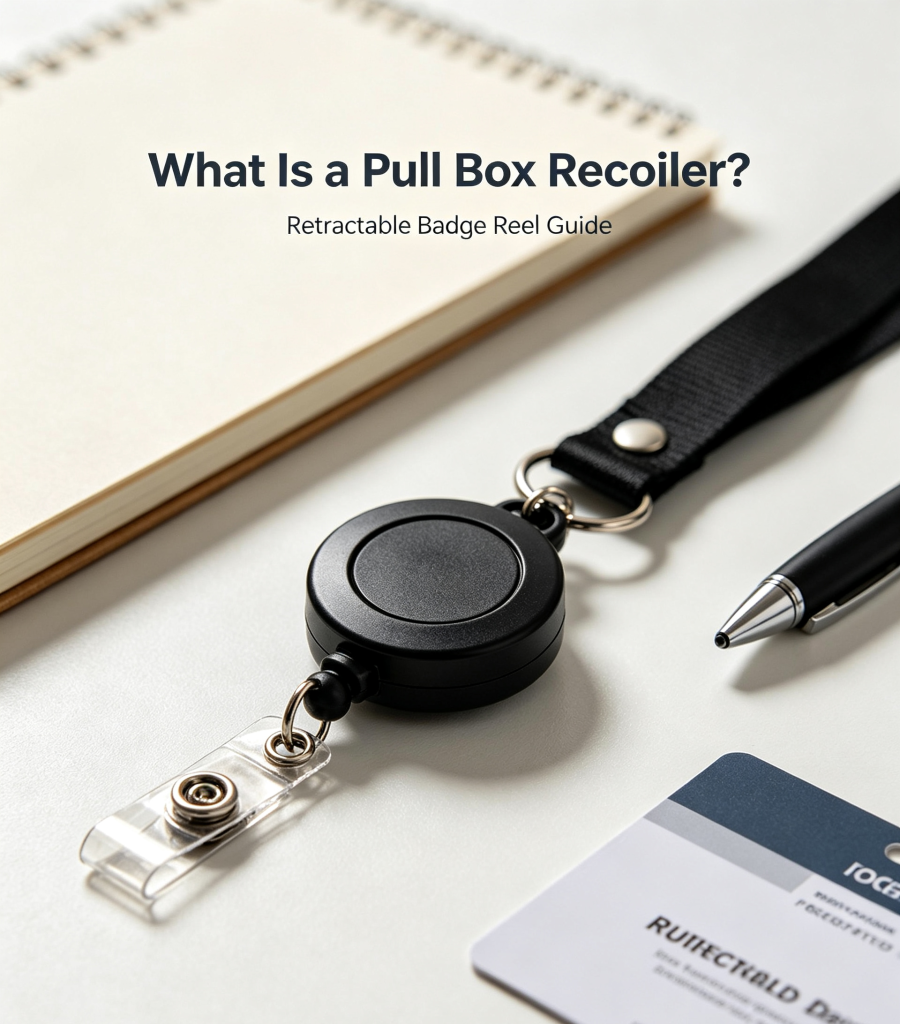
What Is a Pull Box Recoiler? A Simple Guide for Beginners
If you have ever watched a wire pull turn into a tangled mess, you already know why cable management matters. Cables snake across the floor, twist around toolboxes, and slow down the whole crew. A pull box recoiler is a simple tool that helps solve that problem. It stores cable or hose neatly, feeds it out when you need it, and retracts it when you are done.
In this guide, you will learn what a pull box recoiler is, how it works, where it helps most, and how to choose one without overcomplicating the decision.
Key Takeaways
- A pull box recoiler combines a storage box or frame with a retractable reel that feeds cable out and pulls it back.
- Spring, hand-crank, and motorized models fit different cable weights and job sizes.
- Matching the recoiler to your cable diameter, length, and mounting setup avoids most setup problems.
- Safe retraction habits and simple weekly checks extend tool life and reduce injury risk.
- The right model saves time, reduces trip hazards, and protects wire and hose from early wear.
What Is a Pull Box Recoiler?
A pull box recoiler is a tool that holds, feeds, and retracts cable or hose. Think of it as a storage reel with a purpose. Instead of leaving loose wire on the ground, you keep it wound on the recoiler. When you need slack, you pull out only what the job requires. When you are done, the reel pulls the cable back in.
The Pull Box at a Glance
The pull box part is the housing or frame that holds the reel. In electrical work, people often use a pull box as a junction point where wire enters, leaves, or changes direction. When you add a recoiler to that setup, the box becomes a controlled storage point. Some pull box recoilers are built into a wall or floor frame. Others are portable and can move from one job site to another.
The main job of the pull box is straightforward: keep cable contained. That reduces tangles and keeps wire from snaking across walkways. It also makes it easier to see how much cable you have left.
Containment matters more than convenience. Loose cable sitting on a concrete floor picks up dirt, grit, and moisture. Those small particles work their way into the cable jacket over time. When cable is stored on a reel inside a box or frame, it stays off the floor and away from the foot traffic that grinds debris into the jacket. That is a subtle but real difference in cable life.
Where the Recoiler Comes In
The recoiler is the retractable reel mechanism inside or attached to the box. It works like the retractable extension-cord reels you may have seen in garages, but it is built for heavier or longer cable runs.
There are three main types:
- Spring-driven recoilers use a coiled spring to pull the cable back. They work well for lighter cable and shorter runs.
- Hand-crank recoilers require manual winding. They give you more control and handle heavier cable.
- Motorized recoilers retract cable with a motor. They are common in industrial settings where long, heavy cable runs are the norm.
Why does weight matter so much for spring-driven reels? The spring exerts its strongest pull when fully wound and its weakest pull when nearly unwound. That means retraction force is not consistent across the full cable length. With light cable, the inconsistency is manageable. With heavy cable, the spring may struggle to start retraction from full extension, then snap hard once the cable moves. That uneven force is why heavy jobs call for hand-crank or motorized models.
You do not need to memorize every model name. What matters is that the recoiler gives you a controlled way to store and retract cable instead of fighting a pile of wire.
How Does a Pull Box Recoiler Work?
The basic idea is simple: cable feeds out when you pull, and it retracts when you release or crank. The difference between models comes down to how retraction force is generated and how tension control works.
Spring, Hand-Crank, and Motorized Models
A spring-driven recoiler stores energy as you pull the cable out. The spring winds up, and when you release the lock, the spring unwinds and pulls the cable back. This type is easy to use, but it has limits. Very heavy or long cable can overpower a small spring. For those jobs, a hand-crank or motorized recoiler makes more sense.
Hand-crank models put you in full control. You turn the crank to wind cable back onto the reel. This takes more effort, but it works well for thicker cable that would snap back too fast on a spring reel.
Motorized recoilers do the work for you. A motor drives the reel, which helps when you are moving hundreds of feet of heavy wire. These units often include adjustable speed controls and automatic shutoffs.
Tension and Locking Basics
Good recoilers include some form of tension control. Tension keeps cable from free-spooling too fast. Without it, the reel can spin unevenly and create loops that jam.
A locking mechanism holds cable at the length you want. Pull out 10 feet, engage the lock, and the cable stays while you work. Release the lock, and the retraction system takes over.
On a spring reel, you may feel tension increase as you pull farther out. That is normal: the spring is storing energy. On a motorized reel, adjust tension through a dial or control panel. On a hand-crank reel, you set tension by how consistently you crank.
Every recoiler has a spooling pattern that determines how cable lays down. When you pull cable out straight, it winds evenly. When you pull at an angle or let cable rub against the reel opening, it piles up on one side. Misalignment creates friction, makes retraction sluggish, and can jam the mechanism. A good mounting position keeps cable entering and leaving the reel in a straight line.
Controlled retraction matters every time. A cable snapping back at full speed can injure hands, damage the wire jacket, or whip into nearby equipment.
Common Uses for a Pull Box Recoiler
Once you understand how it works, the next question is where it fits in real work. Pull box recoilers show up in two main settings: electrical and electrical conduit work, and general workshop or garage jobs.
Electrical and Conduit Work
During wire pulling, you often have more cable than you need at any one moment. A pull box recoiler gives you temporary storage at the pull point. You feed out the length you need, run the pull, and retract the slack when the pull is done.
You also see recoilers in electrical conduit work where cables enter or leave a junction box. A mounted recoiler near the pull box keeps the cable path clean and reduces friction. That can make the pull faster and less likely to damage insulation.
Example: you are roughing in interior walls with 12/2 Romex sheathed cable. Without a recoiler, the spool sits on the floor and you pull slack by hand. Every few feet, the wire loops on itself or catches on a nail plate. With a recoiler mounted near the pull point, pull out exactly the length you need, lock the reel, walk the wire through the stud, then release the lock to take up slack. The wire never touches the floor.
Common electrical uses include:
- Storing service wire during rough-in
- Feeding low-voltage cable for data or security systems
- Managing temporary lighting cords on construction sites
- Retracting grounding cable after testing
Workshop and Garage Jobs
In a workshop, the same concept applies to extension cords, air hoses, and heavy-duty power cables. A wall-mounted recoiler keeps cords off the floor and ready to use. Pull down what you need, lock it, and let it retract when you are done.
One common mistake is treating a recoiler as a permanent power source. If you leave a cord fully extended and locked for days, the spring or brake sits under constant load. Over time, that can weaken the spring or make the lock slip. Retract the full length whenever the cord is not actively in use — even if the tool stays plugged in.
This is a practical upgrade for:
- Extension cords on garage ceilings
- Air compressor hoses along workbenches
- Welding cable near a workstation
- Pressure washer hoses on a service truck
The key benefit in every case is control. You decide how much cable is out, and the recoiler stores the rest.
Why a Pull Box Recoiler Is Worth the Investment
A recoiler is not just a convenience. It affects safety, maintenance costs, and cleanup time.
Safety Improvements
Loose cable is a trip hazard. It gets caught on boots, ladders, and moving equipment. When cable stays on a recoiler, walkways stay clear, reducing one of the most common causes of job-site falls.
A recoiler also reduces snap-back injuries. Instead of yanking a tangled loop free by hand, you use the reel's controlled retraction. Hands stay away from fast-moving cable.
Another angle: hand fatigue. Hand-coiling 100 feet of cable forces you to grip, twist, and bend repeatedly. Doing that daily stresses wrists and forearms. A recoiler shifts that work to the spring, crank, or motor, reducing repetitive strain.
OSHA emphasizes good workshop safety and housekeeping practices. A pull box recoiler supports those goals by keeping cable organized and out of walkways — a simple way to make the area safer without adding complicated procedures.
Time and Maintenance Savings
Cleanup goes faster when you do not have to hand-coil hundreds of feet of cable. Pull a lever or press a switch, and the reel does the winding. That saves minutes on every job, and those minutes add up.
Cable also lasts longer. Wire that stays on a reel is less likely to kink, scrape, or get walked on — the same is true for air hoses and extension cords. When cable wears out early, replacement costs hit fast. A recoiler slows that wear.
How to Choose the Right Pull Box Recoiler
This is where many buyers make avoidable mistakes. The best recoiler for a workshop is not always the right one for a conduit pull. Use this framework to match the tool to your work.
Match Cable Type and Diameter
Start with the cable itself. Know three numbers:
- Cable diameter
- Total cable length
- Cable weight per foot
A light spring recoiler that works for a 12-gauge extension cord will struggle with heavy welding cable. Check the rated capacity before you buy. If the reel is too small, cable will not spool evenly. If too large, you pay for capacity you do not need.
Also consider cable type. Round jacketed cable retracts more predictably than flat or twisted cable. For unusual cable shapes, look for a wide drum or an adjustable guide.
The most common mistake is looking only at length. A 50-foot extension cord and a 50-foot run of 4/0 welding cable do not put the same load on a recoiler; the welding cable may weigh several times more. That extra weight affects spring retraction, brake hold, and reel wear. Multiply the cable weight per foot by the total stored length for the minimum load rating the recoiler needs to handle.
Check Load Capacity and Mounting
Load capacity tells you how much weight the reel can handle — separate from length. A long run of thin cable can weigh less than a short run of thick cable. Always check the pound rating.
Then plan mounting:
- Wall-mount: good for fixed workstations and garages; needs a solid mounting bracket and proper fasteners.
- Floor-mount: good for larger reels and heavier cable; stays in one place but takes up room.
- Portable: good for service work and job sites; often has wheels or a carry handle.
Match the mounting to your workflow. If you move between rooms, portable may be better. If you always work at the same bench, wall-mount saves floor space.
Quick way to narrow decisions: if your cable weighs less than a typical 50-foot 12/3 extension cord, a wall-mount spring reel is usually enough. Heavier cable — like 10-gauge rubber cord or welding lead — usually needs a floor-mount or hand-crank unit. If you work across job sites, skip mounting questions and go portable. Write down your cable spec first, then filter by mount type, so you do not fall in love with a model that does not fit.
Look for Reliable Brakes and Locks
The brake and locking system matters more than people realize. A weak lock can release unexpectedly and send cable flying; a strong brake stops the reel cleanly.
If possible, test before committing. Pull out cable, lock it, and tug. The lock should hold without slipping. Release and watch retraction — smooth and even, not fast and bouncy.
Read reviews that mention retraction behavior. Models with complaints about jerky retraction or weak locks are not worth the savings.
Setting Up a Pull Box Recoiler Safely
Rushing the install or skipping simple habits creates the most risk.
Simple Setup Steps
- Read the manufacturer's weight and mounting requirements.
- For wall-mount units, locate a stud or solid backing; drywall anchors are not enough for heavy reels.
- Mount the bracket level and secure.
- Load cable evenly, following the direction marked on the drum.
- Test tension and lock with a few feet before loading full length.
Position wall-mount reels so the cable opening is between chest and waist height. Too low, and cable scrapes the floor. Too high, and you reach overhead to guide retraction, which puts your hands in a vulnerable position.
If the unit is floor-mount or portable, put it on stable ground. A moving reel can topple and hit a foot or pinch a hand.
Safe Retraction Habits
Most injuries happen during retraction. Treat cable like a moving part.
- Keep hands, gloves, and loose clothing away from the reel opening.
- Retract slowly; even spring reels reward a controlled release.
- Guide the cable with one hand at least a foot away from the opening.
- Never let cable retract freely while you walk away.
- Stop and check if cable piles on one side of the drum.
Feed cable evenly across the drum and you will keep jams and uneven wear from turning into bigger problems. If the recoiler has an adjustable guide arm, set it for neat rows.
Avoid the one-handed toss-and-go habit: unlock the reel and toss the cable end toward it, expecting the reel to spool cleanly. In practice, the end whips, catches the frame, and wraps unevenly — or smacks you or a coworker. The two seconds saved are not worth the risk. Guide cable back by hand every time.
Maintenance and Troubleshooting
A little maintenance keeps a recoiler working for years. Most problems start small and get worse when ignored.
Weekly Checks That Save Money
If you use the recoiler daily, set aside a few minutes weekly.
- Spring tension: does the reel retract fully? A weak spring may need adjustment or replacement.
- Cable condition: look for cuts, kinks, or exposed conductor; replace damaged cable before using it.
- Mounting hardware: tighten loose bolts or bracket screws.
- Guide and rollers: clean dirt that affects smooth feeding.
- Lubrication: apply a light lube to moving joints per the manufacturer's instructions.
Do not over-lubricate: too much grease attracts dirt and creates a sticky layer.
Fixes for Slow or Stuck Retraction
If the reel retracts slowly or stops midway, check simple causes first.
- Cable misaligned on the drum: unspool and rewind evenly.
- Dirty guide: clean it and the rollers.
- Weak spring: on spring reels, a worn spring may need replacement — a common wear item.
- Kinked cable: straighten it or cut out the damaged section.
- Brake not releasing fully: check for debris or a misaligned lever.
If the unit still jams, consult the manufacturer or a qualified repair shop. Forcing it can damage internal parts.
Is a Pull Box Recoiler Right for Your Job?
The decision comes down to how often you fight tangled cable and how much time you lose.
Signs You Need One
You probably need one if:
- You regularly pull cable longer than 50 feet.
- Cords or hoses sit on the floor in your work area.
- You hand-coil cable after every job.
- You have tripped over or snagged loose wire.
- Your cable shows cuts, abrasion, or kinks from dragging.
If none of those apply, a simple storage reel may be enough. If two or more sound familiar, a recoiler is a practical upgrade.
Your Next Step
Do not buy the first model you see. Write down cable diameter, length, weight, and desired mounting before you shop. Compare at least three models against this guide and ask a supplier how well each lock holds and how smoothly the reel retracts. A short conversation with your numbers in hand will save you from an expensive mismatch.
Frequently Asked Questions
What size pull box recoiler do I need for my cable?
Match the recoiler to the cable you actually store. Check diameter, total length, and weight per foot, then multiply weight per foot by total length to estimate the load. Light extension cords usually work on a wall-mounted spring reel, while welding cable needs a floor-mount or hand-crank model.
Can I mount a pull box recoiler on drywall?
No. Drywall anchors alone are not safe under the load of a full reel. Fasten the mounting bracket to a stud or solid backing with the manufacturer’s recommended hardware, and position the opening at chest-to-waist height so pulls stay straight and retraction is easy to guide.
Why does my pull box recoiler retract slowly or get stuck?
Slow or stuck retraction usually comes from cable piled unevenly on the drum, dirt in the guide, a weak spring, or a brake that does not release fully. Unspool the cable, rewind it evenly, and clean the guide first. If the problem remains, inspect the spring and brake.
What is the safest way to retract cable with a pull box recoiler?
Guide the cable with one hand about a foot from the reel opening, keeping loose clothing clear. Never toss the end and let the reel run freely — the cable can whip or wrap unevenly. Retract slowly and stop as soon as you feel resistance.
Which cable types work best in a pull box recoiler?
Round, jacketed cable feeds back most smoothly. Flat or heavily twisted cable tends to catch on the guide, and very heavy cable can overpower a spring-driven reel. Check the rated capacity before you buy and match it to your heaviest cable.
Tags:anti-lost pull box | anti-theft pull box | pull box retractor
0users like this.